

Artificial Intelligence has quietly moved from being a “futuristic idea” to something we now use every single day. In fact, AI in 2025 is no longer limited to tech companies or developers — it’s in our pockets, our browsers, our homes, and even inside the apps we depend on. Whether you’re a student, a working professional, or a casual smartphone user, AI already plays a bigger role in your daily life than you might realise.
And that’s exactly why understanding how AI works — its benefits, its limitations, and how to stay safe — matters more today than ever.
The Rise of AI in 2025 — A Quick Overview
In the last few years, AI has grown faster than any other modern technology. New AI models can now generate text, understand speech, create images, simplify tasks, automate workflows, and even help businesses make decisions.
A few major trends driving this rise include:
Smarter mobile processors in Android and iPhone devices
Advanced AI models used for writing, coding, and design
Automation tools becoming easier for everyone to use
AI-powered security features protecting users with real-time alerts
Mainstream adoption through apps like ChatGPT, Gemini, Copilot, Midjourney, etc.
AI is no longer a complex tool for experts — it has become a helpful assistant for everyday users.
Real-World AI Use Cases That Shape Our Daily Lives
1. AI in Smartphones
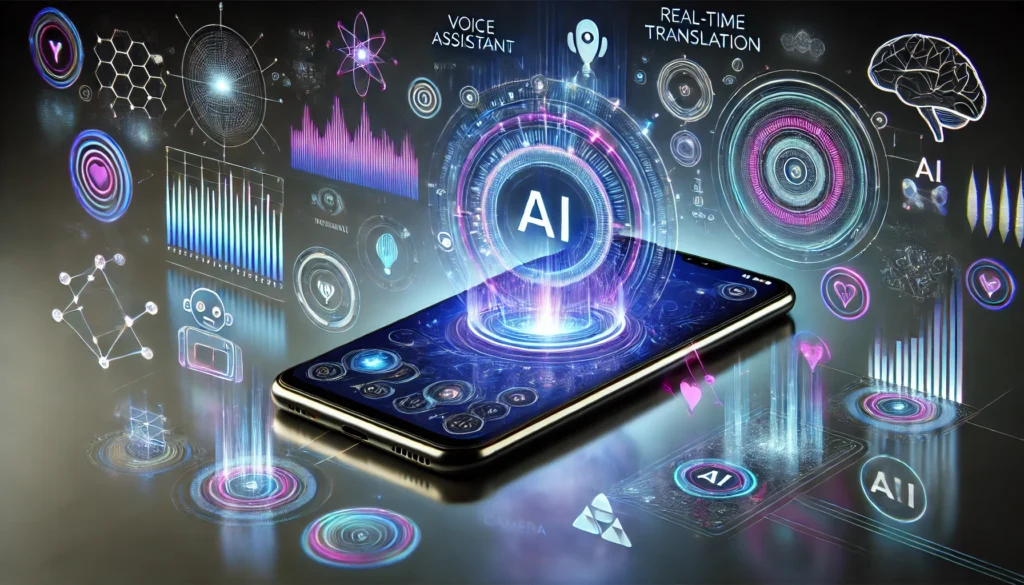
Today, every smartphone is essentially an AI device.
AI enhances your photos
Filters spam calls
Predicts what you want to type
Improves battery usage
Boosts app performance
Face unlock, voice assistants, photo editing, and even app suggestions are all powered by AI.
2. AI Chatbots & Digital Assistants
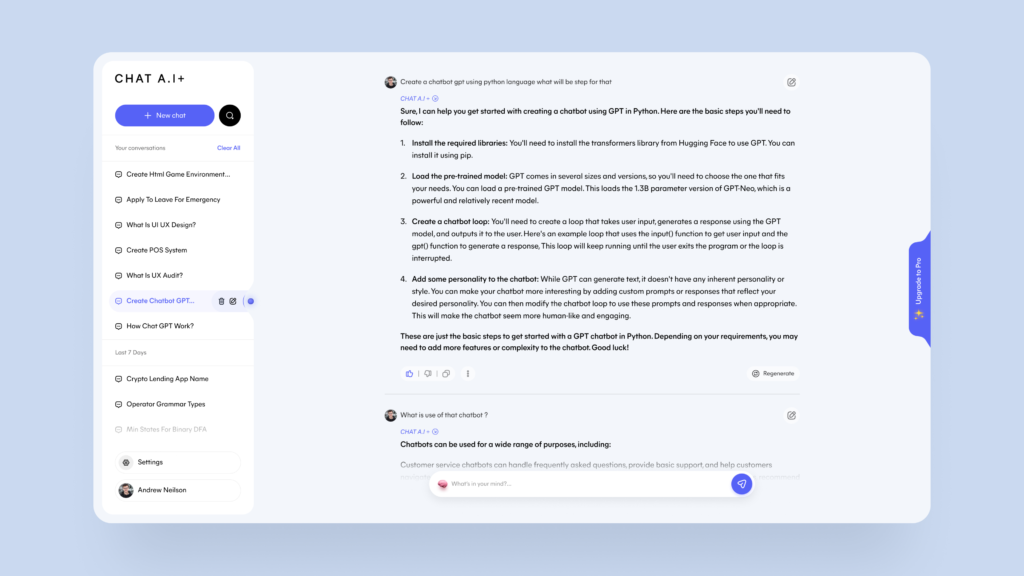
Tools like ChatGPT, Copilot, and Gemini have changed how we:
Ask questions
Learn new skills
Write emails
Prepare office documents
Fix code
Generate ideas
AI assistants have become “everyday productivity partners” for millions of users.
3. AI-Driven Automation
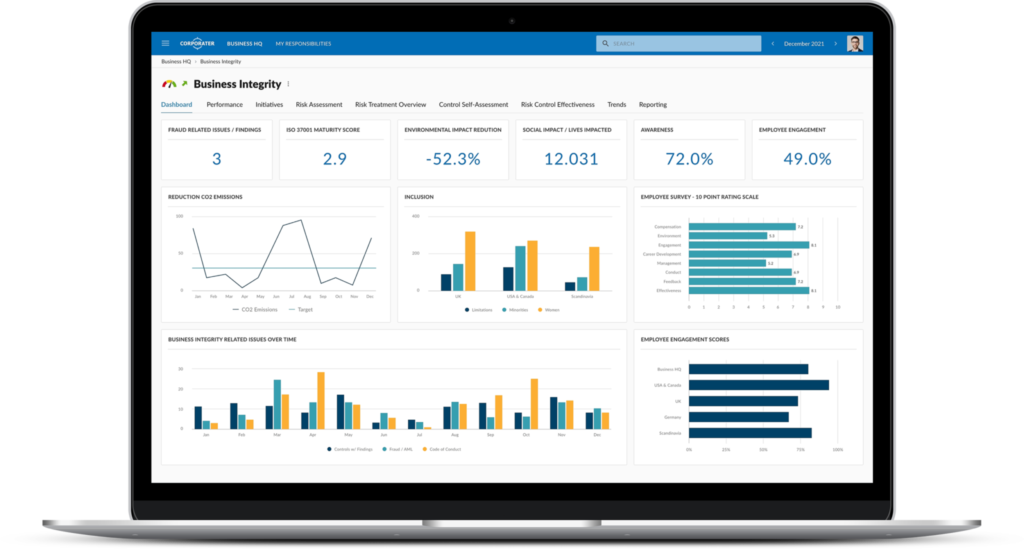
From small businesses to freelancers, automation saves hours of manual work.
Common uses include:
Auto-scheduling posts
Email automation
Chatbots replying to customers
Auto-generating reports
This allows people to focus on creativity instead of repetitive tasks.
4. AI in Content Creation
AI tools now support creators by:
Generating text
Suggesting keywords
Editing videos
Cleaning audio
Designing thumbnails and posters
While AI speeds up the process, human creativity still drives authenticity — something audiences value deeply.
Benefits of AI in 2025
AI in 2025 brings real advantages for everyday users:
Saves time by automating boring tasks
Improves convenience through smart suggestions
Boosts productivity with tools like auto-writing and summarising
Enhances creativity with design and brainstorming assistance
Improves safety with AI-powered fraud and spam detection
For most people, AI has become a helpful companion that quietly simplifies life.
Risks & Challenges of AI Users Should Know

Every powerful technology comes with limitations. Independent research platforms like AI research and real-world applications published by MIT Technology Review help users understand how artificial intelligence is evolving beyond marketing hype. These insights explain how AI systems are trained, where bias can appear, and why transparency matters for everyday tools like smartphones, chatbots, and automation software.
⚠️ 1. Misinformation or inaccurate answers
AI sometimes generates wrong information. Users must double-check facts.
⚠️ 2. Privacy risks
Not all AI apps protect your personal data. Always review privacy settings.
⚠️ 3. Over-dependence
Relying too much on AI can reduce your creativity or problem-solving skills.
⚠️ 4. Biased outputs
Some AI models may show bias because they learn from incomplete data.
Using AI smartly means knowing both its strengths and its weaknesses.
How to Stay Safe & Smart When Using AI Tools

Staying safe with AI doesn’t have to be complicated. Follow these simple steps:
✔ Use official apps
Download AI tools only from trusted sources like Google Play, App Store, or the official website.
✔ Avoid sharing sensitive data
Never type passwords, bank details, Aadhaar numbers, or personal documents into AI tools.
✔ Check content accuracy
Always verify facts, especially if using AI for work or studies.
✔ Read privacy policies
Many apps clearly state if they use your data for training models.
✔ Use AI to assist, not replace
Let AI speed up your work, but always add your own thinking and creativity.
AI in 2025 — What to Expect in the Next 2–3 Years
AI is evolving quicker than any other modern technology. Here’s what everyday users might see soon:
1. AI-first smartphones
Future phones will rely on built-in AI models that run offline — faster and more private.
2. Hyper-personalised apps
Apps will adapt completely to your habits, offering tailored recommendations.
3. Smarter home automation
Smart homes will understand your routines: lighting, appliances, and security.
4. AI health monitoring
Wearables may soon detect illnesses earlier using AI patterns.
5. Advanced content creators
AI tools will help creators produce higher-quality content, but authenticity will remain key.
The next few years won’t just change technology — they’ll change how people interact with it. According to Google’s official AI research updates, future AI systems will focus more on multimodal understanding — combining text, images, audio, and video. This means AI tools in daily life will feel more natural, responsive, and helpful, especially for search, content creation, and personal assistance.
FAQs
1. Is AI safe to use daily?
Yes, as long as you avoid sharing sensitive information and use trusted apps.
2. Will AI replace human jobs?
AI may automate tasks, but creativity, emotion, and strategy still require humans.
3. What is the biggest benefit of AI?
AI saves time by automating repetitive tasks and improving productivity.
4. Should I trust AI answers fully?
No — always double-check facts. AI can make mistakes.
5. Is AI good for students?
Yes, if used for learning, summarising, and productivity — not for cheating.
Conclusion — AI in 2025 Is a Tool, Not a Threat
AI in 2025 is shaping the way we live, work, communicate, and create. It offers endless advantages when used responsibly — from faster smartphones to smarter assistants that help us stay productive.
But like any powerful tool, AI must be used wisely. Staying aware, double-checking facts, and protecting your privacy are simple steps that keep you safe while enjoying the best that AI offers.
If used with balance, AI becomes a partner that helps us do more, learn better, and live smarter.