How to Monetize a Tech Blog — From Zero to First ₹10,000 (or More)
Most people start a tech blog with excitement, publish a few articles, wait for traffic… and then feel disappointed when nothing happens. No visitors. No earnings. Just silence. This is where many bloggers quit and assume blogging “doesn’t work anymore.” But the truth is different. Blogging still works. Monetizing a tech blog still works. What doesn’t work is unrealistic expectations and random strategies copied from YouTube thumbnails promising “₹1 lakh in 30 days.” This guide is written for people who want real results, not hype. If your goal is to monetize a tech blog properly and reach your first ₹10,000 — legally, ethically, and sustainably — you’re in the right place.
This article won’t promise overnight success. Instead, it will show you:
How tech blogs actually make money
What works for beginners
What mistakes silently kill earnings
How to build income step by step
Why the Tech Niche Is Perfect for Monetization
Not all niches are equal when it comes to monetization. Tech blogs have a huge advantage because technology is connected to money, tools, and decision-making. People don’t casually browse tech content — they research it before acting.
Here’s why tech blogs monetize well:
Readers are problem-focused
Many tools and services need explanations
Advertisers pay higher rates
Content stays relevant for years
A single well-written tutorial or guide can generate traffic and income long after it’s published. That’s why learning how to monetize a tech blog is a skill worth developing.
What Monetization Really Means (And What It Doesn’t)
Many beginners misunderstand monetization.
Monetization does not mean:
Filling your site with ads everywhere
Pushing affiliate links aggressively
Writing content only for money
Real monetization means:
Helping readers solve problems
Building trust slowly
Letting income grow naturally
When you monetize a tech blog correctly, money becomes a byproduct of value, not the main focus.
The First Mistake Most Bloggers Make
The most common mistake is trying to earn money before the blog is ready.
Signs your blog is not ready yet:
Fewer than 10 quality articles
Thin or copied content
No About or Privacy Policy page
Poor mobile experience
Trying to monetize too early leads to:
AdSense rejection
Low affiliate conversions
Poor SEO rankings
Preparation always comes first.
Understanding Traffic Before Understanding Money
To monetize a tech blog, you must understand why people visit your site. There are three major types of traffic:
1. Informational Traffic
People searching for:
“What is…”
“How does… work”
“Beginner guide to…”
This is the best starting traffic for new bloggers.
2. Commercial Traffic
People searching:
“Best tools for…”
“Comparison”
“Reviews”
This traffic is great for affiliate income.
3. Transactional Traffic
People ready to buy immediately. You don’t need all three at once. Most beginners monetize a tech blog successfully by starting with informational traffic and slowly adding commercial intent.
The Four Proven Ways to Monetize a Tech Blog
There are many monetization methods online, but only a few are reliable and safe long-term.
The four most effective methods are:
Display Ads
Affiliate Marketing
Sponsored Content
Digital Products
You don’t need to use all of them at once. In fact, trying everything together usually fails.
Method 1: Display Ads (Your First Stable Income)
Display ads are the simplest way to monetize a tech blog.
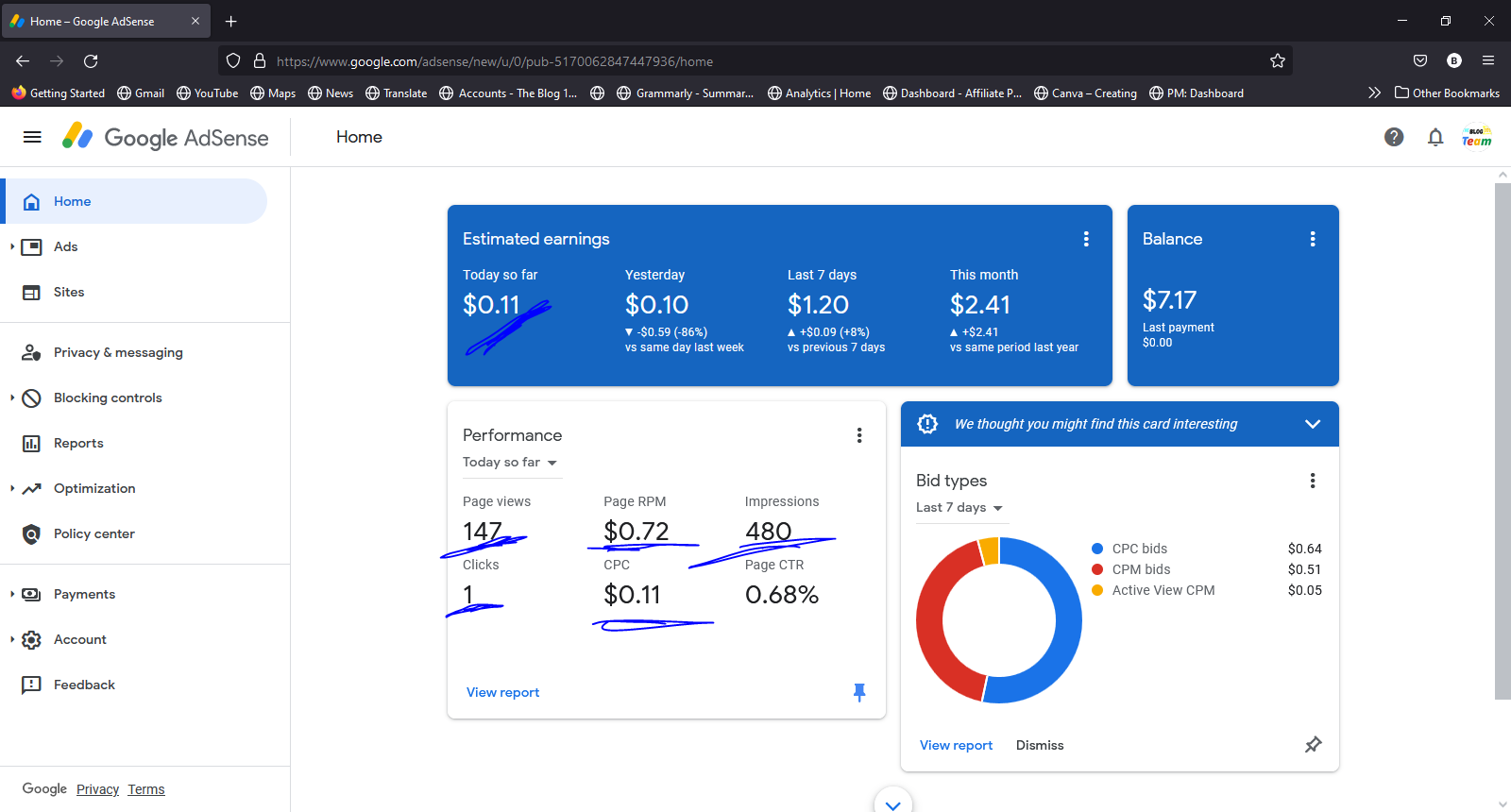
Platforms like Google AdSense show ads based on:
Your content
Your audience
User behavior
You earn when ads are viewed or clicked.
Why Ads Are Beginner-Friendly
No selling required
No customer support
Fully passive once approved
For many bloggers, AdSense becomes the first proof that blogging can earn real money.
The Reality of Ad Income
Ad income grows with:
Traffic volume
Content quality
Page speed
User engagement
It may feel slow initially, but it builds a strong foundation. Faster websites keep users engaged longer, which directly impacts ad revenue and affiliate conversions—this is why proper website speed optimization should be a priority before scaling monetization.
Method 2: Affiliate Marketing (Higher Earnings, More Responsibility)
Affiliate marketing allows you to earn commissions by recommending products or tools.
This works extremely well for tech blogs because:
People research tools before buying
Software companies pay good commissions
Tutorials naturally include tools
However, affiliate marketing requires trust. If readers feel misled, conversions drop and credibility is lost.
Sponsored posts are paid articles written for brands.
This method works only after:
You have consistent traffic
Your blog looks professional
Your niche is clearly defined
Sponsored posts can pay well, but they should never dominate your blog. Overuse damages trust.
Method 4: Digital Products (Ultimate Control)
Digital products give you full control over income.
Examples:
PDFs
Guides
Templates
Mini courses
Even a simple product solving one specific problem can outperform ads in the long run.
Pros and Cons of Each Monetization Method (Honest View)
1. Display Ads (AdSense)
Pros
Beginner-friendly
Passive income
No selling
Cons
Needs traffic
Lower income initially
Best for: Stability and long-term growth.
2. Affiliate Marketing
Pros
High earning potential
Works with low traffic
Scales well
Cons
Needs trust
Requires disclosure
Best for: Reaching ₹10,000 faster.
3. Sponsored Content
Pros
High one-time payments
Brand exposure
Cons
Needs authority
Can hurt trust if overused
Best for: Mid to advanced bloggers.
4. Digital Products
Pros
Full control
High profit margins
Long-term asset
Cons
Takes time to create
Needs audience trust
Best for: Scaling beyond ₹10,000.
Monetization and Google AdSense Compliance
If you want long-term income, compliance matters more than speed.
To monetize a tech blog safely:
Publish only original content
Avoid pirated software topics
Add Privacy Policy & Disclaimer
Be transparent with affiliate links
Breaking policies may give short-term traffic but destroys future earnings. Before applying for ads, every blogger should understand the Google AdSense program policies to avoid common mistakes that can delay approval or cause account issues later.
One income source is risky. A smart tech blogger diversifies gradually, not randomly.
Safe Diversification Strategy
Start with AdSense
Add 1–2 affiliate programs
Introduce a small digital product
Accept sponsored posts selectively
This protects you from:
Algorithm changes
Ad rate drops
Affiliate program shutdowns
Diversification keeps income stable. Following proven affiliate marketing best practices helps tech bloggers earn commissions ethically while maintaining reader trust and long-term site credibility.
Scaling Beyond ₹10,000 (What Changes)
Reaching ₹10,000 is not the end — it’s proof of concept.
To scale:
Update old posts
Target higher-CPC keywords
Write comparison articles
Build an email list
Improve site speed
At this stage, monetizing a tech blog becomes easier because:
Trust is already built
Traffic compounds
Brands notice you
Common Mistakes That Block Growth
Avoid these if you want long-term success:
Chasing trends blindly
Writing for money, not readers
Ignoring SEO basics
Overloading ads
Copying competitors
The blogs that survive are the ones that play long-term. Trust plays a huge role in monetization, and taking time to secure your WordPress site helps protect both your content and your earnings from avoidable risks.
Realistic Timeline (No Fake Promises)
Let’s be honest about timelines.
Month 1–2: Content building
Month 3–4: Traffic growth
Month 5–6: First earnings
Month 6+: ₹10,000 possible
Some reach it faster, some slower — consistency matters more than speed.
FAQs
Can I monetize a tech blog with low traffic?
Yes. Affiliate marketing works even with small but targeted traffic.
Is AdSense mandatory?
No, but it’s the safest starting point for beginners.
Do I need coding knowledge?
No. Clear explanations matter more than expertise.
Is tech blogging still profitable in 2025?
Yes — especially for problem-solving and evergreen topics.
Final Thoughts
If you remember only one thing, remember this:
“People who fail at blogging usually quit just before things start working.”
Monetizing a tech blog is not about tricks. It’s about:
Consistency
Trust
Patience
Smart execution
₹10,000 is not a dream number — it’s a milestone. Once you reach it, everything changes.